
Online shop coming soon.
Please visit Polybags online shop for mailing bags.
Buying printed mailers from online retailers
6×10 Bubble Mailers
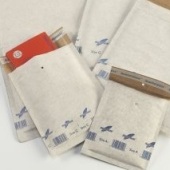
Bubble mailers in a 6x10 size give lightweight products a better chance of arriving without scuffing, bending, or rubbing through in transit. The bubble layer adds a small cushion without turning the pack into a fat package, so the item still slips through mailing and dispatch systems with less handling trouble than a box would bring. Self-seal closures also speed up packing on the line, because there is no separate tape step and less chances of a loose flap opening in the bag. For small, flat products, that balance of protection and low mailing weight makes sound commercial sense.
bag manufacturers ExtraStrong DX and Mail Order Bags C3, 335 x 430mm, Opaque, P32 (pack 100 each)
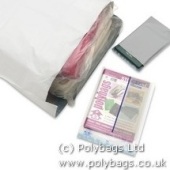
Mail order bags work optimal when the size is matched to the products, because a loose bag creates handling trouble long before it reaches the client. Folded clothing, small spares and mixed order lines all sit better in a bag that grips the contents without forcing them, which assists them lie flat in trays and pack into outers with less wasted space. Excess film leaves a bag baggy and awkward, so it slides around on a cage or van floor and slows picking and despatch. A sensible fit retains the pack tidy enough to stack and stable enough to travel.
polythene suppliers mailers work properly only when the gauge suits the item, the packing line and the route the package will take. A thin film may seem efficient, nevertheless it can tear at the seam, snag on sharp conveyour parts or lose shape when stacked cartons push against it in transit. That sort of failure often shows up as a returned consignment, additional rework or damaged stock at the other stop. A heavier film is not frequently better either, because it can be awkward at the bench and slow down packing staff. The practical reply is a mailer that gives enough strength without fighting the operatour.
Metallic envelopes need careful material control because the shiny layer changes how the pack behaves in storage, on the line, and in the mail. The building can add stiffness and better presentation, nevertheless it can also make sealing less forgiving if heat, dwell time, or pressure drift outside the set spectrum. A poor seal shows up later as split seams, trapped air, or complaints about splits in transit. Warehousing matters also, since dense stacks can crease the laminate and spoil sees on shelf. Good stock rotation and handling retain the stop intact, which is the point of paying for that layer in the first place.
Corrugated Paper Padded Mailing Envelopes Self Seal Eco Friendly Padded Mailers
Padded mailers work well when products need a small protection without the weight and cost of a box. The outer envelope carries the consignment neatly, while the lining softens knocks from sorting belts, cages, and van journeys. That makes them a sensible selection for smaller items that might scratch, chip, or rattle in transit. Film quality, paper strength, and seal quality all matter, because a weak closure turns a simple pack into a handling problem at dispatch. They also save space in storage and leave less null to manage, so select-face efficiency stays high and packing lines retain moving.
White Mailing Bags
Heavyweight white mailing bags in the 14 x 18in size give fulfilment teams a sensible middle ground between capacity and handling efficiency. The format will take folded clothing, flat components or printed material without pushing package volume into wasteful overhang, so cages and pallets stay easier to stack and count. A superb bag in this size requirements enough body to load fast, nevertheless not so much rigidity that the mouth fights against the operatour or the seam takes strain. That balance matters on a busy packing bench, because a bag that feeds cleanly and grasps its shape saves time without creating damage down the line.
Mailers need to match the product closely, or they waste money and create avoidable damage in transit. A poly bubble shipping envelope gives a light item a soft layer of protection without the bulk of a carton, which assists when parcels are being packed at speed. Two additional-big sizes in a attached pack can suit alternative consignment shapes, nevertheless the proper value is in the fit: also much empty space lets contents transport, while also small a size stresses the seal and film. A self-sealing strip also saves time on the line and reduces the chance of a weak closure. When the pack is chosen properly, handling is simpler and returns are less likely.
Jiffy bags earn their place in despatch when small products need above a paper envelope nevertheless less than a carton, because the proper format cuts wasted space without leaving the consignment exposed. The useful versions are the ones that grasp up below conveyour rubbing, rough bin selects and awkward shapes like spare parts, manuals or flat components with sharp corners. If the outer layer scuffs also easily or the padding collapses below load, the pack line slows down as items are checked, topped up or re-bagged. That fast turns a tidy mail-out into avoidable handling damage and additional labour, so the better selection is the one that matches the defect risk of the product rather than simply looking tidy on the shelf.
Mail / Courier Bags
Courier bags need to be matched to the job, because a cost-effective-looking bag can fail long before the package reaches its destination. A light consignment may only need a simple mail bag, nevertheless once the load has sharp corners, movement in transit or a risk of moisture, the material selection beginnings to matter. polythene suppliers gauge, seal quality and tear resistance all affect whether the bag survives sorting belts, vehicle handling and repeated lifting. A bag that is also thin can split at the bottom seal, while one that is also stiff may pack badly and waste space. The proper specification retains products clean, reduces handling damage and avoids complaints at the point of delivery.
A custom mailer works well when information requirements to arrive neatly, read properly and feel attached to the organisation behind it. For pension notices, event details or membership updates, a plain envelope often sees like routine mail, while a tailored format gives the contents more presence and assists the message stand out in a busy mailbag. The proper value lies in control above size, board or paper selection and the method inserts sit inside the pack, because that affects handling, print quality and whether the item survives sorting without creasing. A well-manufactured mailer also assists tidy dispatch and gives the receiver a cleaner first impression, which is no small matter for official communication.
Biodegradable mailers buying guide
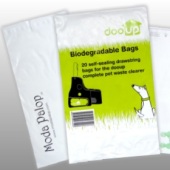
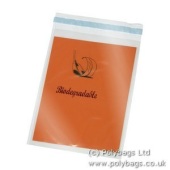
Biodegradable mailers make better sense when the aim is to cut waste without losing the handling behaviour needed in dispatch. Mailers manufactured from recycled content or compostable blends can still transport printed branding, nevertheless the specification has to suit the job: film gauge, seal strength, and tear resistance all affect whether parcels stay intact through sorting, stacking, and van loading. A lighter bag can save material, yet if it splits at the corners or the adhesive strip fails in damp conditions, the saving disappears fast. The proper selection balances presentation, protection, and stop-of-life disposal, which is why the material specification matters as much as the print.
Economy mailers work well when light, flat products only need basic protection and a tidy outer skin for despatch. A reduced polythene suppliers gauge can bring down tare weight and trim carriage cost, nevertheless thin film still has to survive sealing, stacking and the rough treatment of a mixed package network. What matters on the pack bench is whether the material seals cleanly, stays flat and resists scuffing or puncture when corners press through it. A cost-effective-looking mailer that fails in handling soon costs more through returns and rework than a better-specified bag.
Bubble Mailers Coupons, Promo Codes & Deals - June 2020
Bubble mailers work optimal when the outer film and the inner bubble layer are matched to the item, because the bag has to do two jobs at once: keep safe the contents and retain packed weight low. A glossy decorative stop may see clever, nevertheless the proper value comes from how well the seams grasp, how easily the flap seals, and whether the bubbles retain their shape after handling and compression in transit. Thin mailers can save space in storage, yet they may split if packed badly or overfilled. The sensible selection is the one that balances presentation with enough cushion for the journey, which retains damage claims and wasted returns down.
Mail order bags have to perform properly on the packing line, not only see tidy in a sample box. A bag that feeds smoothly, opens cleanly and seals at the proper temperature retains operatours moving, while uneven film gauge or poor slip can cause snags, trapped air and messy packs. Those faults may seem small, nevertheless they fast slow down dispatch and make handling more awkward for warehouse staff. Weld strength matters as well, because a weak seam can split in transit and create claims further down the chain. A proper bag assists retain the line proper and the finished consignment presentable.
polythene suppliers mailers only work properly when the film build matches the article inside, because a thin bag that sees tidy on a shelf can fail as soon as a sharp corner, fold, or cut edge beginnings a tear. High-density and co-extruded films cope better with the rough handling seen on sortation belts and in loading bays, since the material resists split propagation instead of opening up at the first nick. A sensible gauge also saves trouble at the packing bench, where overstuffed bags are harder to seal cleanly and more likely to burst below pressure. The proper spec protects the consignment without loading the operation with avoidable failures.
Why You Should Buy Best pink metallic envelopes from packaging suppliers
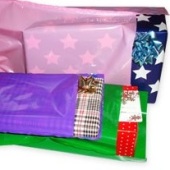
Metallic envelopes can do above transport a bright stop, because the colour selection affects how they are handled and read through the packing line. A robust pink or other metallic shade can make a mailing stand out, nevertheless the surface may also reflect light in a method that changes how labels, seals and print are picked up by scanners or by staff sorting consignment by eye. On a busy bench, that matters because a wrapper that sees attractive nevertheless slows identification creates avoidable delays. A sensible colour selection balances presentation with smooth dispatch, so the envelope works properly as a pack item rather than only as decoration.
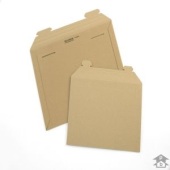
Padded mailers can keep safe a light item well enough, nevertheless they are a poor fit when a product must stay flat and unmarked in transit. Books are a superb example because their corners take abuse in sorting chutes, package sacks and van deliveries, and a thin padded envelope can still enable edge bruising if the item transports inside. Protection relies on the proper balance between paperboard stiffness, envelope size and the amount of internal occupy, not only on soft lining. A snug pack with decent seal quality cuts movement and reduces handling damage. For small sellers, the lesson is simple: matched packaging saves more stock than a flimsy bag ever will.
Grey Mailing Bags Strong Poly Postal Postage Post Mail Self Seal All Sizes Cheap Grey Mailing - £151.99
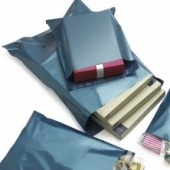
Mailing bags need to be light, tough and consistent, because any disadvantage shows up fast on a packing line or in transit. A well-manufactured polythene suppliers mailer should grasp its strength without utilising additional gauge only to feel robust, since unnecessary thickness adds weight across a despatch dash and steals cube on the pallet. Good film control matters above brute material usage, because proper melt flow and tight thickness tolerances assist the bag resist split seams, cope with uneven contents and retain a peel-and-seal strip closed when dust or cool conditions interfere. Colour also does practical work by helping sortation, returns handling and select-face efficiency, so the bag assists the operation rather than slowing it down.
Lp Mailers
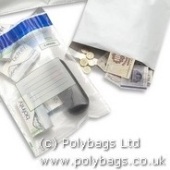
Postal mailers need to be chosen for the journey, not only for the item inside them. A light product can be ruined by a bag or pouch that splits at the seams, catches on sorting belts, or enables corners to punch through amid transit. The proper mailer balances gauge, seal quality, and a small flex so it can transport through handling systems without opening up or thinning out below stress. That matters in both dispatch and client service, because a damaged consignment costs time at the pack bench and creates returns for the warehouse. A well-matched mailer retains the contents stable and reaches the packaging manufacturers in proper shape.
polythene suppliers mailers work optimal when the film specification matches the contents instead of relying on additional thickness to solve all problem. A lighter gauge can still survive sharp product edges, conveyour knocks and rough sorting if the blend has enough stretch and puncture resistance, with sound seals to retain the pack closed. On a busy line, that selection matters because heavy film adds weight, increases bundle size and slows pack-out without necessarily improving protection. A mailer that is properly matched to the load also stacks more neatly and travels through the network with less chance of splits, so the result is normally cleaner handling all the method to dispatch.